By John Ahya
Table of Contents

Ever launched a PPC campaign that seemed flawless at first but ended up missing the mark? So many marketers feel this frustration after taking the time, effort, and money to create campaigns that just don’t convert.
The thing is, PPC advertising can be extremely powerful, and even small mistakes in targeting, ad copy, or strategy will seriously affect performance. Every click should contribute to measurable outcomes, such as leads, sales, or sign-ups, rather than simply draining budgets.
Wondering which PPC mistakes to avoid? In this guide, we reveal the most frequent mistakes and explain how digital agencies identify and correct them to achieve consistent, high-performing campaigns.
1. Ignoring Clear Campaign Goals
Effective PPC campaigns need clear goals to guide strategy and spending. A campaign without direction wastes budget and delivers inconsistent results. Goals may include boosting website traffic, increasing conversions, generating qualified leads, or improving brand awareness.
Defined objectives help marketers create focused ads, measure progress accurately, and make every click contribute to meaningful business growth.
Where It Fails
- The campaign goals are often unclear or do not adhere to SMART criteria.
- Teams struggle to make data-driven decisions when campaign objectives lack clarity and direction.
- Tracking progress becomes difficult without measurable goals or clear performance metrics.
How Agencies Tackle This
Agencies are required to establish SMART goals. This stands for Specific, Measurable, Attainable, Relevant, and Time-bound. All ad creatives, keywords, and targeting decisions should align with these objectives.

To illustrate, in case the objective is to create leads, the advertisement copy and the target audience should concentrate on obtaining sign-ups instead of merely clicks.
Defined goals act as a roadmap for campaign optimization and help teams stay focused on their tasks. The frequent checking of the performance keeps the campaigns in line with the set objectives and the resources employed in the right way.
2. Poor Keyword Research
Targeting the wrong keywords can drain your budget and miss your potential leads. Proper keyword research ensures your ads match user intent.
Where It Fails
- Ads are aimed at overly broad or irrelevant keywords.
- High-intent search queries are ignored.
- CPC may increase without generating additional conversions, wasting budget.
How Agencies Tackle This
Agencies conduct keyword research with tools such as Google Keyword Planner and SEMrush, emphasizing relevance and intent. Long-tail keywords, seasonal trends, and local search behaviors are given priority.

Real-time tracking helps measure keyword performance. High-performing keywords are prioritized, and underperforming ones are paused, ensuring ads efficiently reach the right audience.
Pro Tip: Experimenting with long-tail keyword variations reveals hidden opportunities for upgraded quality leads.
3. Neglecting Ad Copy Testing
Effective ad copy not only attracts clicks but also builds relevance and trust with the audience. Not conducting A/B testing prevents data-backed improvements and results in poor engagement and a wasted budget.
Where It Fails
- Headlines do not grab attention.
- Messaging may be weak and fail to resonate with the target audience.
- CTR and conversions are low.
How Agencies Tackle This
Agencies create effective ad copy with concise value propositions, effective CTAs, and engaging headlines.

Agencies determine the most effective version through A/B testing. Ad extensions provide additional information, increasing ad visibility and user engagement. Continuous optimization keeps the copy up to date and efficient for different campaigns.
4. Skipping Audience Segmentation
When advertisements aim to connect with all audiences under one message, the relevance decreases, and conversions are negatively affected. Implementing audience segmentation can help customize messages for user groups, resulting in higher engagement and better ROI.
Where It Fails
- Generic messaging finds uninterested users.
- High-potential segments are overlooked.
How Agencies Tackle This

Agencies break out audiences based on location, interests, habits, and demographics to enable better targeting. Targeted tactics will communicate with each segment individually. Remarketing targets warm leads to encourage past visitors to complete desired actions, such as purchases or sign-ups. Testing alternative messages and targeting combinations helps maximize both ad performance and conversion rates.
5. Failing to Optimize Landing Pages
Another common PPC mistake to avoid is not optimizing their landing pages. A poorly optimized landing page can undermine conversions and depress their overall return on investment (ROI) from clicks. Landing pages should be optimized to enhance both customer experience and conversion rates.
Where It Fails
- Slow-loading pages lead to user drop-offs and lower conversion rates.
- Messaging is not aligned with advertisements.
- Calls to action are weak or unclear.
How Agencies Tackle This
Agencies create campaign-specific landing pages that are optimized for quick loading, mobile friendliness, and strong CTAs. Visual hierarchy, concise copy, and usability testing increase engagement. Highlighting social proof, such as testimonials, builds trust and encourages visitors to take the desired action. Consistent messaging between ads and landing pages results in smooth user experiences, leading to better conversions.
6. Ignoring Quality Score
Low-quality scores increase expenses and reduce advertisement visibility. High Quality Scores help lower Cost Per Click (CPC) and improve ad ranking, making campaigns more cost-efficient and visible.
Where It Fails
- Keywords do not align with search intent.
- Ads lack engagement.
- Landing pages are slow or irrelevant.
How Agencies Tackle This
Agencies make sure that keywords are in line with the ads and landing pages. Well-crafted ad copy boosts click-through rate (CTR), and an optimized landing page enhances user experience (UX), leading to higher engagement and conversion metrics.
Quality scores are influenced by a number of factors, including mobile friendliness, fast loading times, and visible CTAs. Moreover, higher mobile friendliness, fast loading times, and clear CTAs lead to lower CPCs and better ad ranking, resulting in more efficient campaigns.
7. Poor Budget Allocation
Without effective management of the budget, spending will be too high for low-performing campaigns, while more successful campaigns get insufficient funding. Spending money effectively will yield the most return on investment.
Where It Fails
- Low-performing campaigns get too much investment.
- Well-performing campaigns are underfunded.
- Daily caps limit exposure during peak hours.
How Agencies Tackle This
Agencies monitor campaign performance and dynamically reallocate funds to the campaigns that perform best. Seasonal peaks, major events, and fundraising periods receive increased ad spend to capture higher audience engagement.
Micro-campaigns are small-scale tests in PPC that allow agencies to experiment with new ideas or strategies without risking a large budget. Smart budget allocation makes more conversions possible, helps limit waste, and increases overall return on investment.
8. Not Leveraging Ad Extensions
Ad extensions increase visibility, CTR, and user engagement by displaying essential details at the outset. Not using ad extensions reduces ad exposure with a negative impact on overall campaign effectiveness.
Where It Fails
- Ads appear to be smaller and less informative
- Advertisers’ competitor ads gain more attention.
- CTR remains low.
How Agencies Tackle This
Agencies use all relevant ad extensions, such as sitelinks, callouts, structured snippets, calls, and location extensions. These extensions draw more attention to ads and provide additional information, such as contact details or promotions, that users can interact with without extra cost.
The presence of several extensions increases the effectiveness of ads, attracts more users, and makes ads more competitive.
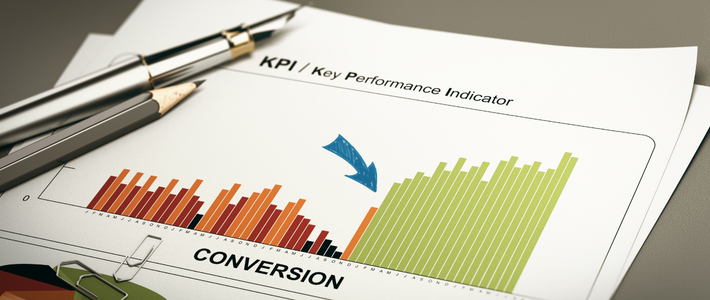
9. Failing to Track Conversions Properly
If there is no continual tracking, then the return on investment and the overall campaign effectiveness remain a mystery. The accurate measurement is what leads to optimization.
Where It Fails
- Campaign effectiveness is uncertain.
- Decisions are made on assumptions rather than data.
- ROI is immeasurable.
How Agencies Tackle This
Different agencies track conversions that relate to user registrations, donations, ticket sales, and the completion of forms. Tools such as Google Tag Manager or Facebook Pixel trace user paths. Information is the main driver of campaign optimizations and reporting.
Multi-step conversion tracking follows the user journey from ad click to final conversion, allowing smarter optimizations and improved campaign performance.
10. Overlooking Negative Keywords
Neglecting negative keywords can deplete your budget on searches that are not relevant. Negative keywords help to avoid getting unwanted impressions, help your ads be shown to relevant audiences, and contribute to the overall ROI of your campaign.
Where It Fails
- Ads are shown for irrelevant searches, which means less accuracy in targeting and displaying ads to the right audience.
- The budget is wasted on audiences who have little intention of converting to your goal or action.
- Clicks do not lead to conversions or meaningful engagement.
How Agencies Tackle This
Agencies regularly monitor the reports of search teams to detect and eliminate irrelevant keywords for better ROI. They add irrelevant search terms to the negative keyword list to prevent wasted clicks. By continuously updating, your ads won’t show in searches that don’t convert, making targeting more efficient and saving budget.
Pro Tip: Some common negative keywords are “free,” “cheap,” “jobs,” and “review” terms because searches rarely lead to worthwhile conversions.
11. Ignoring Device and Location Targeting
By targeting too broadly, you are creating wasted impressions and a reduced ROI. When you refine your audience, you are able to maximize relevance, engagement, and effectiveness of your overall campaigns.
Where It Fails
- Ads are being seen by users outside of service areas.
- Irrelevant devices reduce conversions.
- Costs rise without return.
How Agencies Tackle This
Agencies optimize location targeting to the areas where products or services are offered. Device targeting ensures that ads are optimized for each type of screen, whether desktop, mobile, or tablet. Excluding irrelevant regions or devices improves ad relevance, reduces wasted budget, and enhances overall campaign effectiveness.
12. Neglecting Competitor Analysis
Ignoring competitors reduces the capacity to optimize campaigns and take advantage of opportunities.
Where It Fails
- Competitor strategy goes unseen.
- Bid adjustments are uninformed.
- Opportunities to outperform rivals are missed.
How Agencies Tackle This
Agencies monitor competitor keywords, ad copy, and bidding strategies through tools such as SEMrush. Auction Insights reports are the main sources that reveal the performance gaps and market positioning. Understanding competitor strategies helps agencies adjust bids and ad copy to gain a competitive advantage in the market.

Continuous monitoring helps campaigns stay competitive and respond quickly to market trends, ensuring maximum visibility and higher conversions.
13. Relying Too Heavily on Automation
Automation is time-saving, but can’t substitute strategic guidance. Over-reliance can harm campaign performance.
Where It Fails
- Manual insights are neglected.
- Costs per click may rise if automation is not monitored properly.
- Campaign adjustments lag behind trends.
How Agencies Tackle This
Agencies blend automation with manual checks. While AI tools optimize bids, human oversight ensures that budgets, targeting, and ad copy continue to perform effectively. Periodic checks maintain efficiency and control, keeping campaigns on track while driving maximum results.
14. Forgetting to Revisit Campaign Data
PPC campaigns need ongoing evaluation. Overlooking data leaves on-time adjustments and performance optimizations out of reach.
Where It Fails
- Underperforming ads continue unchecked.
- CTR and CPC patterns are overlooked.
- Optimization opportunities are lost.
How Agencies Tackle This
Agencies regularly examine PPC campaign metrics for trends and potential problems.

Data-driven optimization helps refine targeting, ad copy, and bidding strategies. Regular monitoring keeps campaigns agile, budget-conscious, and results-driven.
15. Ignoring Post-Click Experience
Even well-crafted ads can fail if the post-click experience is poor or confusing for the user. Improving the post-click experience results in more conversions.
Where It Fails
- Landing pages misalign with ad promises.
- Navigation is confusing or slow.
- Forms or CTAs are unclear, reducing engagement.
How Agencies Tackle This
Agencies are designing landing pages that create a relevant, fast, and easy-to-use user experience. Clear CTAs, concise messaging, and responsive design encourage users to complete the desired action. Tracking post-click behavior identifies friction points and enables continuous improvements, ultimately converting more clicks into actions.
Partner with a White-Label PPC Agency
Managing PPC campaigns can be a headache, especially when small mistakes can quickly drain budgets and limit conversions. That’s where 1White Label Agency comes in. We offer full white-label PPC services specifically for digital agencies like yours.
We take care of everything, from in-depth keyword research and compelling ad copy creation to precise audience targeting, landing page optimization, and continuous campaign management. Our team ensures your campaigns stay on track, consistently delivering high-quality results while avoiding the common PPC pitfalls that can sabotage performance.
By partnering with us, you can focus on scaling your agency while we handle the complexity of paid advertising. We use proven strategies, cutting-edge tools, and data-driven insights to maximize ROI and improve conversions, all under your brand.
Let’s take your PPC campaigns to the next level. Contact us today to learn how we can help your agency deliver smarter, more effective paid ad campaigns for your clients.